
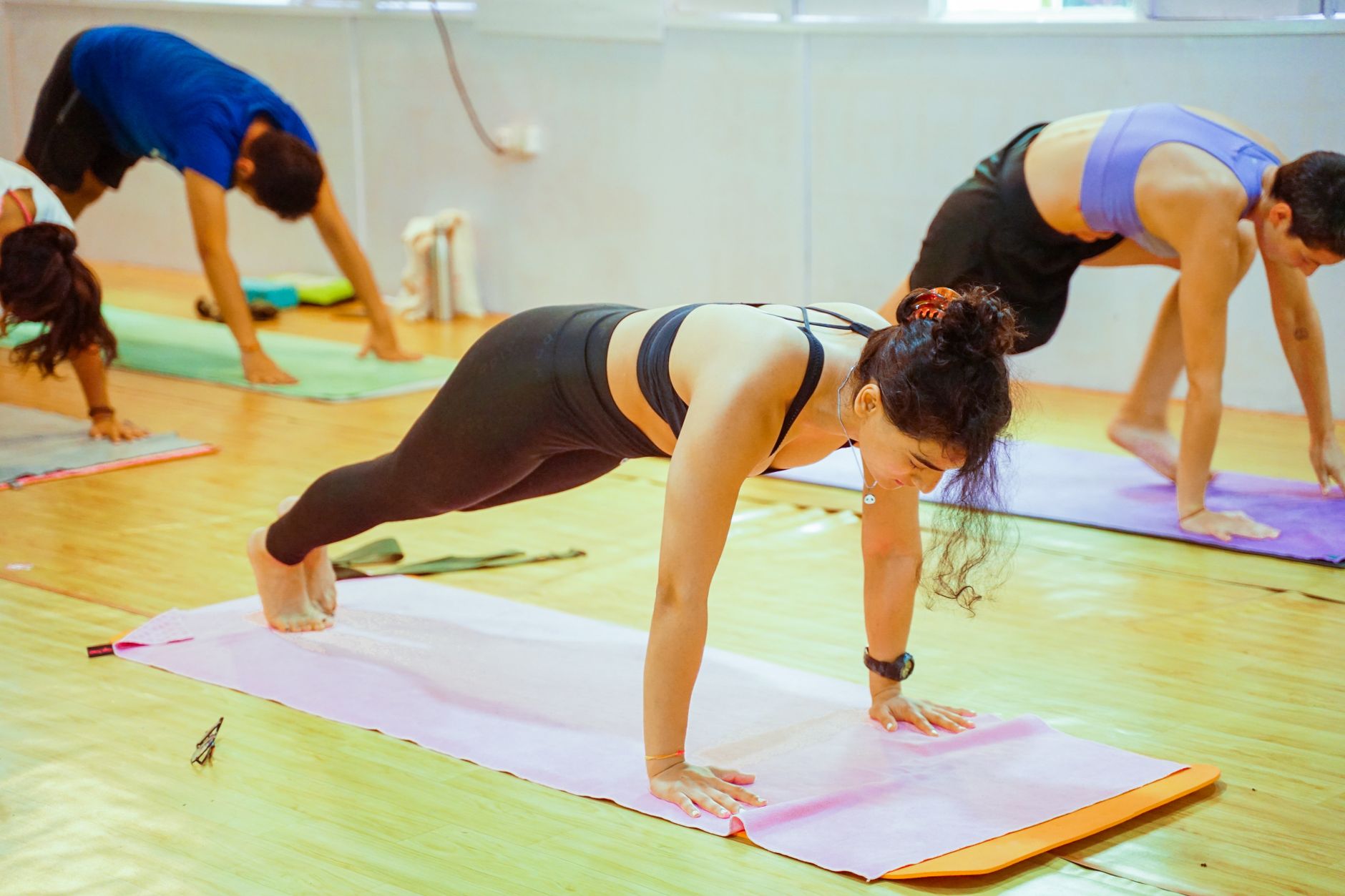
Choosing a yoga class is easier when you look beyond the class name. “Beginner,” “all levels,” and style labels can mean different things from one studio to another. Consider how quickly the class moves, how much guidance the teacher provides, and whether options are offered for different abilities. These details can help you choose a class that feels welcoming without being too easy or overwhelming, whether you are stepping onto a mat for the first time or returning after a break.
Match the Pace to Your Needs
A slower class gives you more time to hear instructions, settle into each pose, and make adjustments. It can suit beginners who are learning basic alignment and returning students who want to rebuild confidence. Look for descriptions such as gentle, slow flow, restorative, or foundational, but check the class details because names alone do not guarantee a particular pace.
A faster flow may link poses with fewer pauses and ask you to move in time with your breath. This can feel engaging if you already recognize common poses and transitions. If you are unsure, ask how quickly the class moves and whether the teacher pauses to explain transitions. You can always choose a slower option first and try a more vigorous class later.
Consider the Teaching Style
Some teachers offer detailed verbal cues and demonstrate poses. Others use shorter prompts or expect students to follow a familiar sequence. If you are new, look for a class description that mentions clear instruction, foundational poses, or modifications. You do not need to know pose names in advance; a supportive teacher should make it easy to follow along and ask questions.
Hands-on adjustments are a separate consideration. If you prefer not to be touched, tell the teacher before class or ask whether adjustments are optional. You can also choose a class where guidance is primarily verbal. Experienced students may enjoy less frequent explanation, but a new teacher or unfamiliar style can still call for a more instructional class.
Choose a Good Starting Point
For a first class, arrive a little early and mention that you are new. Ask whether you need to bring a mat, where to set up, and if the class includes poses that may require props. Wear clothes that let you move comfortably, and tell the teacher about injuries or movement limitations before class. Skip any pose that causes sharp pain, and rest when you need to.
If you are returning after time away, treat your current comfort and mobility as your guide rather than relying on what you could do before. Start with a class that leaves room to modify poses and take breaks. You can build intensity gradually as the movements feel familiar again. A steady return often makes it easier to notice what feels supportive and what needs adjustment.
Read Class Descriptions Carefully
Before booking, look for the class length, intensity, experience recommendation, and whether props are available. If the description is vague, contact the studio with a specific question: “Is this class suitable for someone who has never practiced?” or “Does the teacher demonstrate poses?” A direct answer is more useful than guessing from a style label.
After class, consider whether you could follow the instructions, take breaks, and move without feeling pressured. A class does not need to feel effortless, but you should have ways to adjust the challenge. If the pace or teaching style was not a fit, try another format or ask the studio for a recommendation. At Stillwater Yoga, you can contact the studio to ask about class options before choosing.
The right yoga class is one that matches your present needs, not a label or a past level of experience. Compare pace, guidance, and the options available for modifying poses, then ask questions before you book. Start with a class where you feel supported, and adjust your choice as your comfort and goals change.